

If you’ve been diagnosed with myositis, there’s a good chance the word “journey” doesn’t feel like the right word for what you went through to get there. For many people, it’s less a journey and more an obstacle course — one that can take months or even years, with plenty of dead ends along the way.
What people with myositis actually go through to get diagnosed is closer to being handed a blindfold, spun around a few times, and told to find the exit.
We recently spoke with Dr. Didem Saygin, a clinician-researcher at Rush University Medical Center in Chicago who runs a dedicated myositis clinic, about why this road is so long and what could make it shorter. We asked her a simple question with a complicated answer: Why does it take so long for people with myositis to get diagnosed, and what could make that process faster?
Why Myositis Is So Easy to Miss
Myositis is a rare autoimmune disease that causes inflammation in the muscles, and sometimes the skin. According to Dr. Saygin, part of the problem is baked into the disease itself: its most common symptoms simply aren’t unique to myositis.
Take muscle weakness, one of the hallmark symptoms. Weakness can come from dozens of causes — a bad flu, a neurological condition, simple fatigue. It doesn’t point a finger at myositis the way a more specific symptom might. The same goes for rash, another common sign, which can show up for all kinds of reasons that have nothing to do with an autoimmune disease.
Add to that the fact that myositis is rare, and you get a second layer of the problem: many healthcare providers, including primary care doctors, have never seen a case. It’s simply not on their radar in the way more common conditions are.
Dr. Saygin’s take: this isn’t a problem any single doctor can solve on their own. It calls for the whole community — patients, doctors, and advocacy organizations — to raise awareness together. That’s part of the thinking behind World Myositis Day, observed each year on September 21st.
Lived Experience: Kennedy’s Diagnosis Delay
Kennedy’s experience shows exactly how this plays out. At 20 years old, she went to the ER after losing the ability to get up off the ground. The doctors fixated on one striking symptom, her inability to raise her arms, and ran basic bloodwork and an x-ray before sending her home with a referral to a neurologist weeks out. The very next day, she went into hypoglycemic shock at a restaurant, with a blood sugar of 32, despite not being diabetic.
It was only on that second ER visit, when her doctors looked more closely at her bloodwork. What they found was a CK level over 10,000. CK, or creatine kinase, is an enzyme that leaks into the bloodstream when muscle tissue is damaged, and doctors use it as a key marker for muscle inflammation. A normal CK level is typically under 200. A reading in the thousands signals a significant amount of active muscle breakdown, and doctors transferred her to a specialized hospital for diagnosis.
Even then, the path wasn’t straight. Her first muscle biopsy pointed to polymyositis. It wasn’t until doctors examined the muscle tissue itself that they corrected the diagnosis to necrotizing myopathy, the condition she’s lived with since.
The Gap That Opens Up After Diagnosis
Getting a diagnosis is a milestone, but it isn’t the finish line. Dr. Saygin was candid about a structural problem in how healthcare works today: doctors are under pressure to see more patients in less time, which leaves little room to talk through everything that comes with a new diagnosis of a disease most patients have never even heard of.
For example, real, day-to-day aspects of living with myositis, such as fatigue, brain fog, incontinence, sexual health, often don’t come up in the exam room at all, simply because there isn’t time.
On top of that, there’s an isolation factor. Because myositis is so rare, most newly diagnosed patients don’t know a single other person living with it. Dr. Saygin described this as one of the toughest parts of the disease experience — and one of the reasons she’s hoping to eventually start an in-person peer support group in Chicago. As she put it, virtual groups help, but they can leave behind patients who don’t have easy access to technology.
If you’ve felt that isolation, you’re not imagining it — it’s a well-recognized gap in how rare disease care currently works.
“Time Is Muscle”: The Insurance Delay Problem
Beyond diagnosis, the delays don’t stop. One of the more sobering points Dr. Saygin raised is what happens after a treatment plan is decided. Even once a doctor identifies the medication that’s likely to work best for a patient, insurance approval, including step therapy requirements where you have to try and fail a different medication first, can hold up treatment for weeks or months.
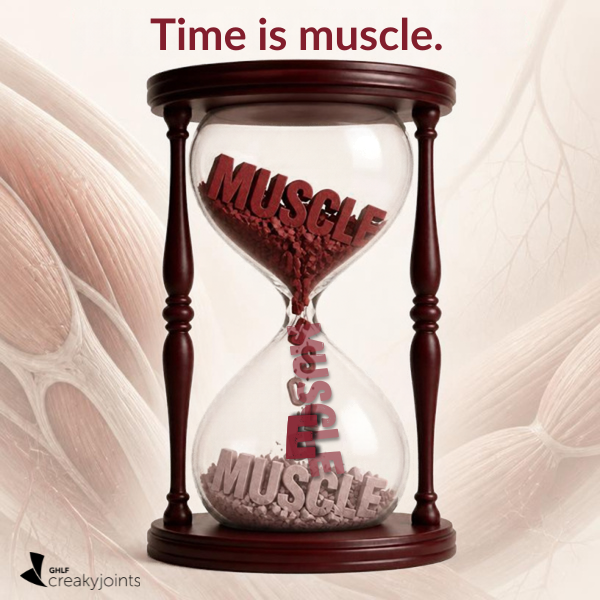
In her words: time is muscle. While a patient waits for approval, ongoing inflammation can cause damage to muscle tissue that may not be fully reversible.
Lived Experience: Bobby’s Insurance Delay
Bobby, 48, who lives with necrotizing myopathy, knows this firsthand. When his rheumatologist wanted to add Rituximab to his treatment plan, his insurance initially denied it, citing a lack of FDA-approved protocol for his specific condition. His doctor pushed back directly with the insurance company, but it still took two months to get a generic version approved. In the meantime, Bobby watched his body change in ways he hadn’t expected. Over the course of his illness, he went from 260 pounds to 215, losing roughly 45 pounds of muscle in the process. “I haven’t been able to use my muscles,” he said, describing his fear that he’d essentially have to relearn basic movement from the ground up once he was strong enough to try.
Bobby’s story shows what this really looks like. Every week spent waiting for approval isn’t just a delay. It’s a week the disease keeps moving, while treatment sits on hold. Your doctor can’t control this part of the system. But it helps to understand it, and to push back when you can, with your care team by your side.
What Can Help, Starting Now
So what can you actually do? Systemic issues like healthcare provider awareness, insurance barriers, and time-strapped appointments aren’t things any one patient can fix alone. But there are a few things that can make a real difference in your own experience:
- Look for peer support, even informally. Connecting with others who understand what you’re going through can ease the isolation that so often comes with a rare disease diagnosis.
- Keep a running list of symptoms that don’t feel “medical enough” to mention — fatigue, brain fog, and other quality-of-life issues are legitimate things to bring up, even if your appointment feels rushed.
- Ask your doctor directly what to expect from the insurance approval process for any recommended medication, and ask whether there’s anything you can do to help move it along.
- Bring information with you. Advocacy organizations like CreakyJoints® often have printable resources built specifically to bridge the gap that short appointments leave behind. Download our myositis guides here.
Ultimately, this kind of patient-reported experience often gets left out of clinical charts. It’s exactly what our myositis patient journey survey is working to capture and share with the medical community.
Try PatientSpot to Track Your Symptoms
Create a free account at PatientSpot.org and begin tracking your myositis symptoms today.
Are you interested in more resources about myositis?
Enter your email below to subscribe and receive our newsletter and resources!
Glaubitz S, Lee YC, Saygin D. Pain in myositis: prevalence, assessment, potential mechanisms and considerations for management. Clin Exp Rheumatol. 2026;44(2):376–383. Free to view: https://www.clinexprheumatol.org/abstract.asp?a=23131 doi: https://doi.org/10.55563/clinexprheumatol/4msi8i
Interview with Didem Saygin, MD, a rheumatologist and clinical researcher at Rush University Medical Center who studies pain in myositis, August 20, 2026.
Interview with Bobby, who lives with myositis, August 24, 2026.
Interview with Kennedy, who lives with myositis, August 27, 2026.
Oldroyd A, Lilleker J, Chinoy H. Idiopathic inflammatory myopathies – a guide to subtypes, diagnostic approach and treatment. Clin Med (Lond). 2017 Jul;17(4):322-328. doi: https://doi.org/10.7861/clinmedicine.17-4-322. PMID: 28765407; PMCID: PMC6297649.
Saygin D, Malfait AM, Ritz EM, Wipfler K, Michaud K, Lee YC. Prevalence of pain and factors associated with pain in patients with idiopathic inflammatory myopathies. Arthritis Care Res (Hoboken). Published online May 12, 2025. DOI: 10.1002/acr.25571. https://acrjournals.onlinelibrary.wiley.com/doi/10.1002/acr.25571 doi: https://doi.org/10.1002/acr.25571